

If you’re here, something probably didn’t feel right.
Maybe the pricing wasn’t clear, the results were too basic, or you had to pay before seeing anything useful. Instead of getting real answers, you’re left with partial info that doesn’t actually help you verify who’s behind a number.
Most people searching for a ClarityCheck alternative want something simple: clear pricing, real data, and quick answers. Not a long report, just enough to know if a number or person is legit.
That’s exactly what the tools below aim to do better.
1. CatfishNumr– Best for Quick Phone Number Checks (No Subscription)
CatfishNumr is the best alternative to ClarityCheck if you want clear results without subscriptions, hidden fees, or unnecessary complexity.
If you’re trying to quickly figure out who’s behind a number, CatfishNumr keeps things simple. It’s built for real situations, whether you’re checking a suspicious message, verifying someone from a dating app, or just identifying an unknown caller.
Instead of long, generic reports, it focuses on useful identity signals that actually help you decide if someone is legit.
What it does well
- Find real names, locations, and social media profiles linked to a number
- Discover Telegram and other usernames tied to the person
- Works globally, not limited to US numbers
- No account needed, just enter your email to get results
- No subscriptions, pay only when you need it
Pricing (simple and transparent)
- $5.95 → 2 searches
- $9.95 → 5 searches
- Credits don’t expire
- No auto-renewals, ever
Where it’s limited
- Not a full background check tool
- Focused on phone-based identity signals (not deep public records)
Best choice if you want a fast, straightforward answer without dealing with subscriptions, surprise charges, or overcomplicated reports.
2. Social Catfish – Best for Deep Identity & Scam Verification
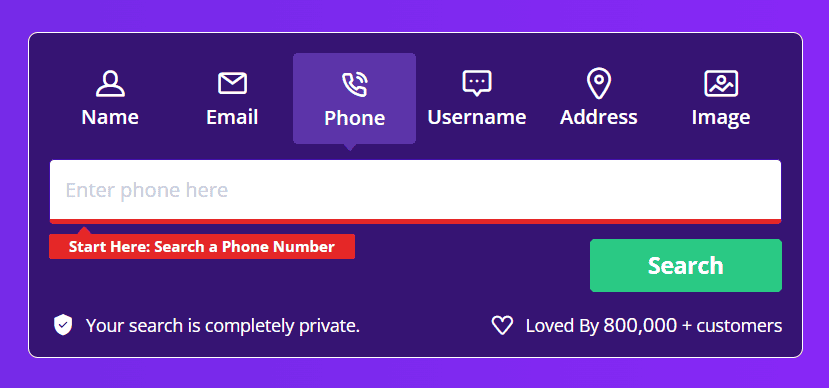
Social Catfish is a strong ClarityCheck alternative if you want deeper identity verification across phone, email, and images — not just a basic lookup.
It’s designed for situations where you need more than “who called me.” Think dating apps, suspicious contacts, or online scams. Instead of relying only on phone data, it pulls from social media, public records, and reverse image search to help confirm if someone is real.
What it does well
- Combines phone, email, username, and image search in one tool
- Strong for dating verification and scam detection
- Can uncover social profiles and online presence
- Offers more detailed reports than basic lookup tools
Pricing (important to know)
- ~$5.73 for a 3-day trial
- Then ~$27/month subscription if not canceled
- Some features or deep investigations cost extra
👉 This is where many users get frustrated, the trial converts into a monthly plan if you don’t cancel.
Where it’s limited
- Subscription-based (not ideal for one-time use)
- Results can be inconsistent depending on available data
- Overkill if you just want a quick phone lookup
From real users:
“Right at the end it reveals you need to pay…”
Best if you want a deeper investigation across multiple signals, especially for dating or scams, but not the best choice if you’re looking for a quick, low-cost phone lookup without subscriptions.
3. Spokeo – Best for Quick, Budget-Friendly Phone Lookups
Spokeo is a good ClarityCheck alternative if you want a fast, affordable snapshot of who might be behind a number, without going too deep.
It pulls data from public records and online profiles to give you a quick overview. Many users use it as a first step to decide whether a number is worth investigating further or just blocking.
What it does well
- Combines phone lookup with social profiles and public data
- Fast results with simple, easy-to-read reports
- Good for basic identity checks or reconnecting with people
- Flexible compared to some tools (not always locked into heavy plans)
Pricing (important to know)
- Limited preview available
- Membership around $29.95/month
- Some flexibility, but still largely subscription-based
Where it’s limited
- US-focused data (not ideal for global searches)
- Results can be inaccurate or outdated depending on the source
- Often too surface-level for serious verification (e.g. scams or dating)
- Not built specifically for scam detection
From real user experience, Spokeo is often used as a “quick check before going deeper.” It’s useful for getting initial signals fast, but not always reliable enough to make a final decision on its own.
Also worth noting for transparency: Spokeo has had regulatory scrutiny in the past, which matters for users searching “is it legit?”
Best if you want a quick snapshot to guide your next step, but not the strongest option for deep or high-confidence verification.
4. Truecaller – Best Free Caller ID & Spam Detection
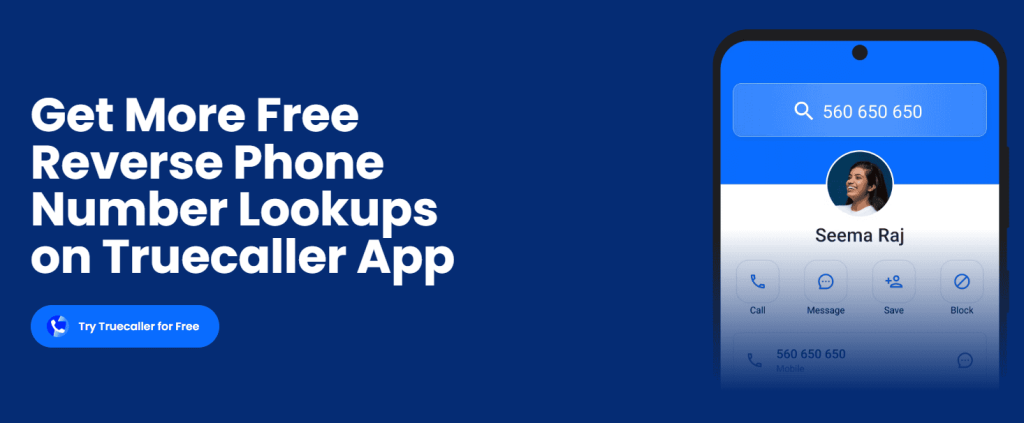
Truecaller is a strong ClarityCheck alternative if your main goal is simple: find out who’s calling and whether it’s spam, for free.
Instead of building full reports, it uses a massive community database to identify callers in real time. When a number is searched or calls you, it can show a name, location, and most importantly, a spam risk score based on user reports.
This makes it especially useful when you just need to decide: answer, ignore, or block.
What it does well
- Free caller ID + spam detection
- Shows name, location, and spam risk instantly
- Community-powered → constantly updated data
- Works globally (not limited to US numbers)
- Best for quick “who called me?” decisions
Pricing
- $9.99/month or $74.99/year
- $14.99/month or $99.99/year
- $249/year, multiple members allowed
- Premium plans available (ads removal, advanced features)
- Some features require auto-renewing subscriptions
Where it’s limited
- Data is community-based, so accuracy can vary
- Often only shows basic info (name/location), not full identity
- Some users report:
- inconsistent spam detection
- missing or incorrect names
- pressure to upgrade for better features
From real user feedback, Truecaller is great for quick filtering, but not always reliable enough for deeper verification. Some users also mention concerns around subscriptions and data accuracy, especially when expecting more detailed results.
Best if you want a fast, free way to identify and block spam calls – but not the right tool if you need detailed identity verification or high accuracy.
5. NumLookup – Best Free Reverse Phone Lookup (No Signup)
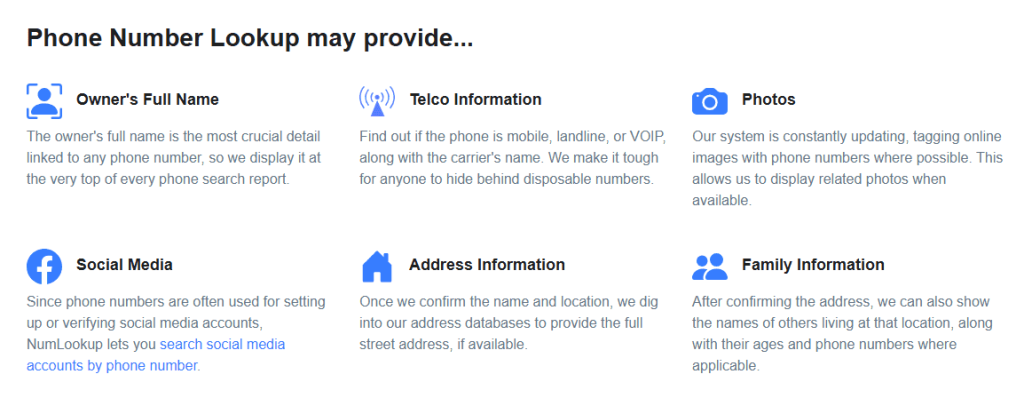
NumLookup is a simple ClarityCheck alternative if you want a free, no-signup way to check who’s behind a number – before paying anywhere else.
It’s built for quick checks. You enter a number and, in many cases, get a name and basic details without creating an account or entering payment info. That makes it a popular first step when you’re trying to avoid wasting money.
What it does well
- Free reverse phone lookup (no account required)
- Can return name and basic identity info
- Fast and easy to use
- Good for initial screening before deeper searches
Pricing (important to know)
- Core lookup is free
- Daily limits may apply
- Deeper data may redirect to paid partner tools
Where it’s limited
- Primarily US-focused
- Results can be incomplete or inconsistent
- Limited depth — no detailed reports or full identity verification
From real user experience, NumLookup is often used as a quick first filter. It’s useful to get a basic idea of who might be behind a number, but not enough to rely on for serious verification.
Best if you want a free, no-risk starting point — but you’ll likely need another tool if you want deeper or more reliable results.
6. SpyDialer – Best for Free Lookups with Voicemail Clues
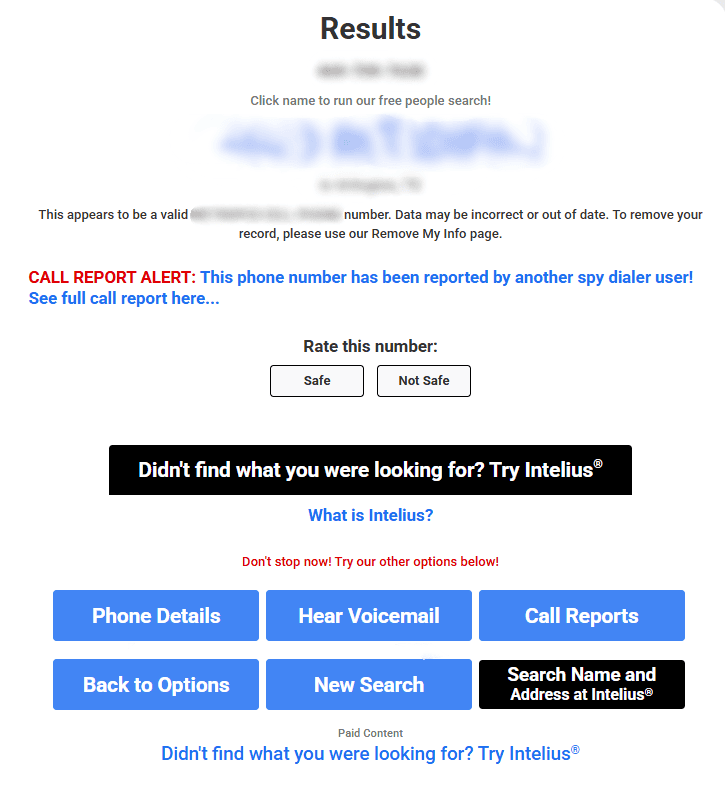
SpyDialer is a solid ClarityCheck alternative if you want a completely free way to check a number – especially using its unique voicemail feature.
It works by pulling data from public records, directories, and social sources, then combining it into a basic lookup. What makes it different is its ability to access a person’s voicemail greeting, which can sometimes reveal a real name or business.
For many users, that alone is enough to identify whether a number is legit.
What it does well
- 100% free reverse phone lookup (no signup required)
- Can return name, location, and basic info
- Unique voicemail preview feature (can reveal identity clues)
- Fast and simple — good for quick checks
Where it’s limited
- Accuracy depends heavily on public data availability
- Often struggles with:
- VoIP numbers
- new or unlisted mobile numbers
- Mostly US-focused
- No deep reports — just surface-level info
Real user insights (what people actually experience)
- Many users use SpyDialer as a first step before paying anywhere else
- The voicemail feature is often the most useful part, especially for identifying individuals
- But results are inconsistent — some searches return no data at all or outdated info
- Some users say it “used to work better” but now returns fewer results or redirects to paid tools
From Reddit:
“It’s 100% free… but sometimes returns ‘unknown’ for VoIP or scam numbers.”
Best if you want a free, no-risk lookup with unique voicemail insights — but don’t rely on it for accuracy or deep verification.
How Do You Actually Verify a Phone Number Without Wasting Money?
Most people make the same mistake: they jump straight into a paid tool expecting a clear answer. That’s how you end up paying for reports that don’t actually help.
A better approach is to treat this like a step-by-step check, not a one-shot lookup.
1. Start with a quick (free) signal
Before paying anything, check if the number is even worth investigating.
Use tools like:
- Truecaller → spam risk, caller ID
- NumLookup / SpyDialer → basic name or clues
👉 Goal:
- Is it spam / spoofed? → ignore or block
- Does it look like a real person/business? → move to next step
2. Look for identity signals, not “full reports”
If the number seems legit, use a tool that gives real-world signals, not just raw data.
This means:
- name + location
- social profiles
- usernames (Telegram, etc.)
👉 Tools like CatfishNumr or Social Catfish are stronger here because they connect multiple signals, not just databases.
3. Only go deeper if it’s worth it
If the situation is serious (dating, repeated contact, potential scam), then a deeper lookup can make sense.
But be careful:
- Most tools are subscription-based
- Trials often turn into monthly charges
👉 Always check:
- Is this a one-time payment or subscription?
- How easy is cancellation?
4. Don’t trust one result — look for patterns
No tool is 100% accurate.
Instead of trusting one report:
- Cross-check across 2–3 tools
- Look for consistent signals (same name, same location, same profiles)
👉 This is how you avoid false positives.
5. Set realistic expectations
Not every number can be fully identified.
You’ll struggle with:
- VoIP numbers
- newly registered mobile numbers
- spoofed calls
👉 In those cases, even paid tools won’t give a clear answer.
The smartest approach isn’t “find the best tool” — it’s using the right sequence:
Free check → identity signals → deeper lookup (only if needed)
Leave a Reply